Zap Alarm
Sometimes, I can't get up for the life of me in the morning... What better way to guarantee you're awake than by zapping yourself until you get up and get active! I'm too broke to splash out $150 on a Pavlok, so this is my last resort (yikes)
Created by
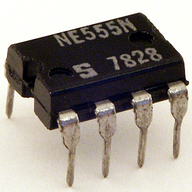 555 timer
2 views
0 followers
555 timer
added to the journal ago
Done capacitor charging and step-up converter
I used a 1000V 100nF capacitor which gets charged through a typical 1:100 flyback converter to boost the 3.7V from the LiPo to about 370V ideal. The cap (ideally) holds 6.845mJ when fully charged, which I calculated enough to feel like a sharp sting or rubber band snap based on skin resistance. I will adjust charge time (or potentially PWM frequency, whichever works best) in software to allow for lower voltages for different zap intensity.
There will be a pin to almost fully discharge the capacitor over the course of 0.5s for any remaining energy stored in the capacitor that did not discharge through the skin, which will happen at the end of alarm zap cycles.
The 12V will be used to toggle the MOSFETs to make sure they fully turn on. They will be controlled via ESP32 GPIO via transistors.
I found appropriate parts which can withstand the maximum impulse energy and voltage outputted from the capacitor.

555 timer
started Zap Alarm ago
10/25/2025 - Done capacitor charging and step-up converter
I used a 1000V 100nF capacitor which gets charged through a typical 1:100 flyback converter to boost the 3.7V from the LiPo to about 370V ideal. The cap (ideally) holds 6.845mJ when fully charged, which I calculated enough to feel like a sharp sting or rubber band snap based on skin resistance. I will adjust charge time (or potentially PWM frequency, whichever works best) in software to allow for lower voltages for different zap intensity.
There will be a pin to almost fully discharge the capacitor over the course of 0.5s for any remaining energy stored in the capacitor that did not discharge through the skin, which will happen at the end of alarm zap cycles.
The 12V will be used to toggle the MOSFETs to make sure they fully turn on. They will be controlled via ESP32 GPIO via transistors.
I found appropriate parts which can withstand the maximum impulse energy and voltage outputted from the capacitor.